
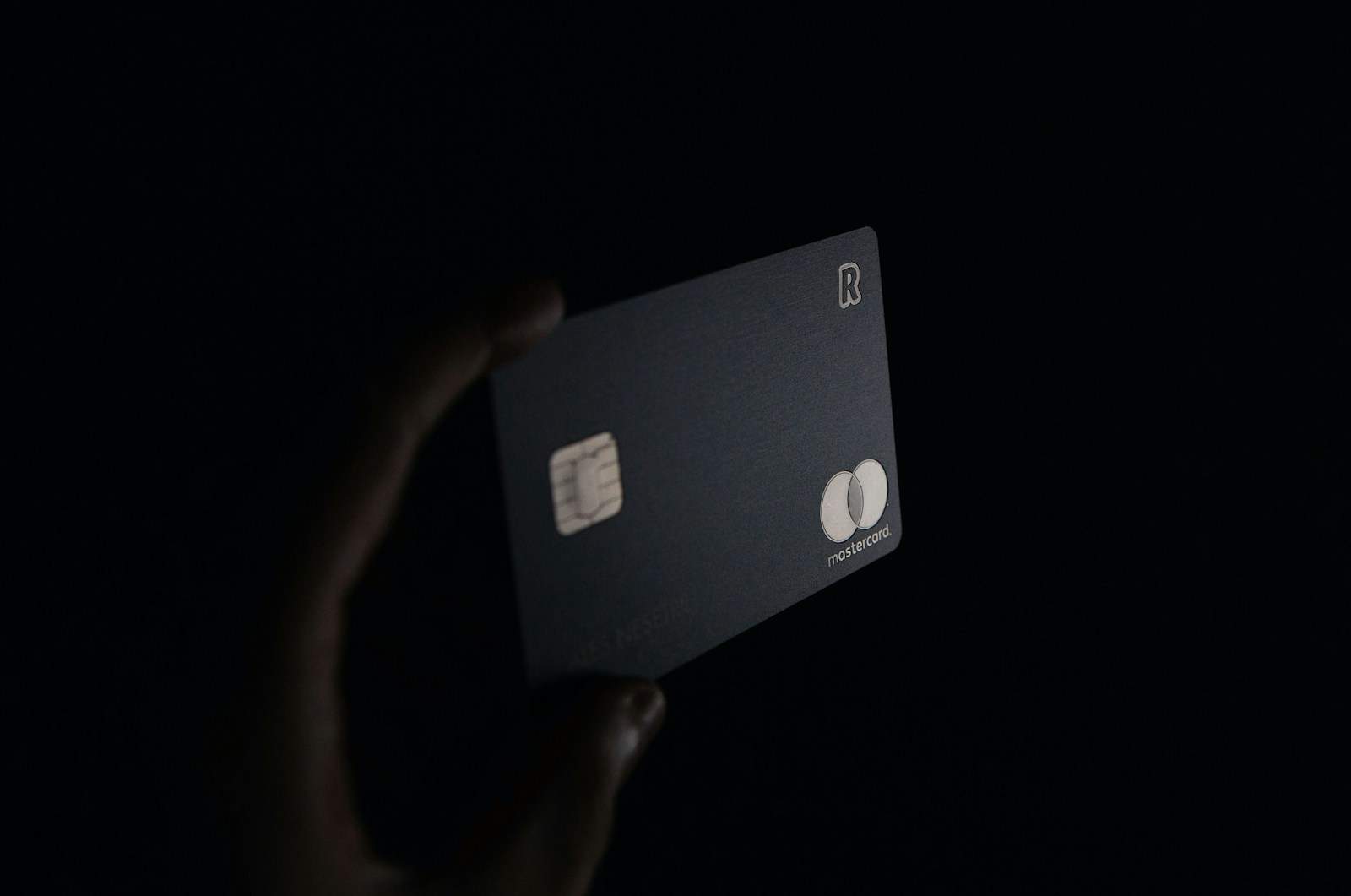
Starting out with credit can feel overwhelming. You want a card that helps you build a positive history without trapping you in high fees or confusing terms. The right starter card should be simple, affordable, and forgiving enough to help you learn good habits. Let’s explore the best options available in 2026, along with practical advice on how to use them wisely.
Credit cards are more than just a way to pay for purchases. They are tools for building a financial reputation. A starter card gives you access to credit even if you have no history, and it reports your activity to the major bureaus. Paying on time and keeping balances low helps you establish a score that opens doors to better cards, loans, and even housing opportunities.
Features to Look For
When choosing a beginner card, focus on these essentials:
- No or low annual fees so you are not paying extra just to keep the card.
- Reasonable APRs that won’t punish you if you occasionally carry a balance.
- Rewards programs that give cash back or points for everyday spending.
- Credit‑building features such as automatic reviews for limit increases or upgrades.
- Secured options if you cannot qualify for an unsecured card yet.
Top Starter Credit Cards in 2026
Discover it® Student Cash Back
- Best for students who want rewards.
- Offers 5% cash back on rotating categories and 1% on all other purchases.
- No annual fee.
- Provides free FICO score monitoring.
Capital One QuicksilverOne Cash Rewards Credit Card
- Best for everyday spending.
- 1.5% cash back on all purchases.
- Designed for people with fair or limited credit.
- Annual fee is modest compared to premium cards.
Capital One Platinum Secured Credit Card
- Best for those starting completely from scratch.
- Requires a refundable security deposit, often as low as $49.
- Reports to all three credit bureaus.
- Offers the chance to upgrade to an unsecured card with responsible use.
Discover it® Chrome
- Best for gas and dining.
- 2% cash back at gas stations and restaurants, 1% on other purchases.
- No annual fee.
- Provides free access to credit monitoring tools.
Capital One SavorOne Student Cash Rewards
- Best for dining and entertainment.
- 3% cash back on dining, entertainment, streaming, and groceries.
- No annual fee.
- Tailored for students building credit while enjoying lifestyle perks.
Comparison Table
| Card Name | Annual Fee | Rewards Highlights | Best For | Credit Type Needed |
|---|---|---|---|---|
| Discover it® Student Cash Back | $0 | 5% rotating categories, 1% others | Students, rewards seekers | Limited/Student |
| Capital One QuicksilverOne | $39 | 1.5% cash back on all purchases | Everyday spending | Fair/Limited |
| Capital One Platinum Secured | $0 (deposit required) | None, focus on building credit | True beginners | No credit history |
| Discover it® Chrome | $0 | 2% gas and dining, 1% others | Dining and travel basics | Limited |
| Capital One SavorOne Student | $0 | 3% dining, entertainment, groceries | Students with lifestyle focus | Limited/Student |
How to Use a Starter Card Wisely
Getting approved is only the first step. To make the most of your card:
- Pay your bill on time, every time. Even one late payment can hurt your score.
- Keep balances low. Experian advises keeping credit utilization below 30%, with lower ratios leading to stronger scores.
- Avoid applying for too many cards at once. Focus on building with one or two accounts.
- Monitor your credit reports regularly to track progress and catch errors.
- Keep your first card open long‑term, since account age strengthens your score.
Common Pitfalls to Avoid
Many beginners fall into traps that slow down their progress. Carrying high balances makes it look like you rely too much on credit. Missing payments, even by a few days, can leave a mark that lingers. Closing your first card too quickly shortens your history, which hurts your score. And chasing rewards without considering fees can cost more than you earn back.
Why Starter Cards Lead to Better Options
Starter cards are stepping stones. After a year or two of responsible use, you can qualify for cards with higher limits, better rewards, and lower interest rates. Some starter cards even offer automatic upgrades once you prove yourself. Building credit with these tools sets you up for financial flexibility in the future.
Choosing the best starter credit card is about balancing simplicity, affordability, and opportunity. Whether you go with a student card, a secured card, or a basic rewards card, the goal is the same: build a strong credit history. With consistent payments, low balances, and smart use, you will move from beginner to confident cardholder. Starter cards are not just about spending today; they are about creating a financial foundation for tomorrow.
Frequently Asked Questions
Which beginner card is the best fit if I am a student wanting rewards?
Discover it Student Cash Back. It pays 5 percent on rotating categories (groceries, gas, online shopping) that you activate quarterly, plus 1 percent on everything else. No annual fee, free FICO score monitoring. Discover matches all cash back earned in the first year, which doubles your effective rewards rate as you learn good habits.
What card should I get if I am starting completely from scratch with no credit?
Capital One Platinum Secured. It requires a refundable security deposit (as low as $49) and reports to all three credit bureaus. Responsible use leads to an upgrade path to an unsecured card with the deposit returned. The low deposit threshold makes it accessible compared to other secured cards requiring $200 to $500.
What features matter most when choosing a beginner card?
No or low annual fee, reasonable APR (so a missed payment month does not create a big debt spike), rewards on actual spending categories you use, and credit-building features like automatic reviews for limit increases or unsecured-card upgrades. A card with a $39 annual fee can still win if it builds credit faster, but a $0 fee option usually wins for absolute beginners.
How do I actually use a starter card to build credit?
Pay on time every single time (autopay for at least the minimum). Keep utilization below 30 percent of the limit (lower is better). Avoid applying for multiple cards in the same six-month window. Monitor your reports monthly. Keep your first card open long-term because account age strengthens your score; closing it later resets that timer.
What is the biggest mistake beginners make with starter cards?
Carrying a balance to “build credit faster.” Carrying a balance only generates interest charges; it does not improve your score versus paying in full. The card issuer reports your activity either way. The second-most-common mistake is closing the first card too quickly after getting a better one, which shortens your average account age.



Leave a Reply