
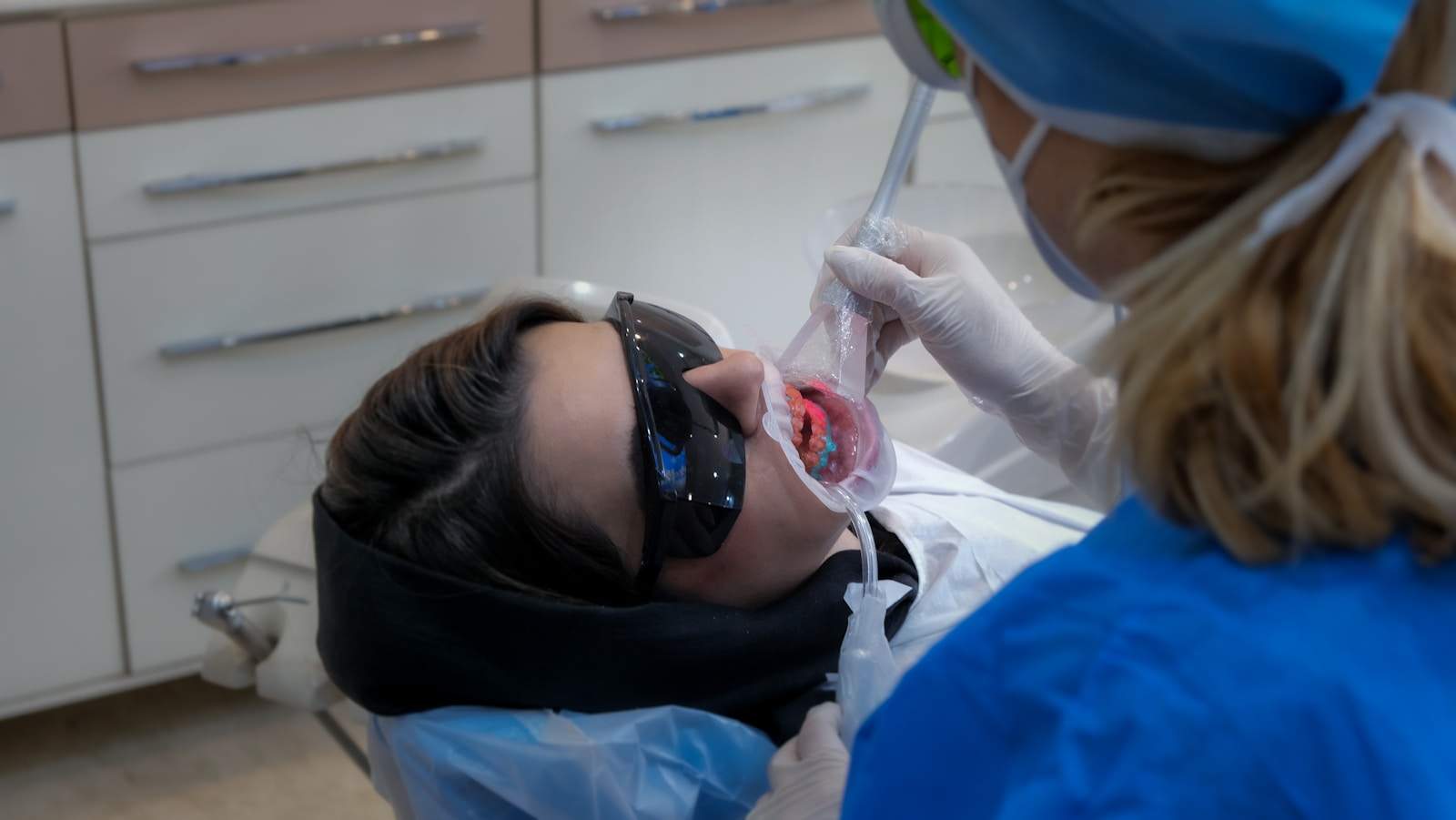
Dental care is often overlooked until a problem arises, yet routine check‑ups and preventive treatments can save you from costly procedures later. Coverage makes these visits more affordable, turning what might feel like a luxury into a manageable part of your health plan. When you think about affordable health coverage options, dental care should be part of the conversation because oral health connects directly to overall well‑being.
The Challenge of Rising Costs
Without coverage, even basic services like cleanings or X‑rays can add up quickly. In many places, a single visit may cost the equivalent of several days’ wages. More complex treatments such as fillings, root canals, or orthodontics can stretch budgets even further. That is why finding affordable dental coverage is not just about convenience; it is about protecting yourself from financial strain.
Types of Coverage Available
When exploring affordable health coverage options, you will find several approaches to dental care:
- Individual dental insurance: Designed for single policyholders, covering routine visits and emergency care.
- Family plans: Extend benefits to spouses and children, often at a discounted group rate.
- Employer‑sponsored coverage: Offered as part of a benefits package, sometimes with partial premiums paid by the company.
- Discount programs: Membership plans that reduce costs at participating clinics without traditional insurance.
- Government or community programs: Subsidized options that provide basic services for lower‑income households.
Each option has strengths and limitations. Insurance plans may cover preventive care fully but limit orthodontics. Discount programs reduce costs but may restrict you to certain providers. Employer plans are convenient but depend on company policies.
What Affordable Really Means
Affordability is not only about the lowest premium. It is about balancing monthly costs with the value of services included. A plan that covers preventive care like cleanings and X‑rays may save you thousands over time. Preventive care is key because it reduces the risk of larger issues that require expensive treatments. In the Philippines, for example, routine visits can cost PHP 500 to PHP 1,000, but insurance plans often cover these entirely, saving families significant amounts each year.
Practical Steps to Compare Options
Finding the right plan requires a clear process.
- List your needs: Consider whether you need only preventive care or expect orthodontics or major procedures.
- Check provider networks: Make sure your preferred dentist accepts the plan.
- Review coverage limits: Look at annual maximums and exclusions.
- Calculate total costs: Add premiums, co‑pays, and deductibles to see the real expense.
- Evaluate flexibility: Decide if you want freedom to choose any clinic or prefer a restricted but cheaper network.
This step‑by‑step approach helps you avoid surprises and ensures the plan matches your lifestyle.
Imagine a young professional who visits the dentist twice a year. With insurance, those cleanings and X‑rays are fully covered, saving several thousand pesos annually. A family with children may choose a plan that includes orthodontics, reducing the cost of braces that can otherwise reach tens of thousands. Another example is a retiree who joins a discount program, lowering the price of dentures and routine care without paying high premiums.
Balancing Dental and Health Coverage
Affordable health coverage options often bundle dental with medical insurance. This integration simplifies management and ensures you are covered for both routine check‑ups and unexpected emergencies. Bundled plans may cost slightly more, but they provide peace of mind by protecting multiple aspects of health.
Mistakes to Avoid
When searching for coverage, there are pitfalls to watch for:
- Choosing only by price: The cheapest plan may exclude essential services.
- Ignoring preventive care: Plans that skip cleanings and exams lead to higher costs later.
- Overlooking provider networks: If your dentist is not included, you may face out‑of‑network fees.
- Failing to read exclusions: Orthodontics, cosmetic procedures, or implants may not be covered.
Avoiding these mistakes ensures that your plan truly supports your needs.
Dental coverage is not just about today’s expenses. It is about building a foundation for long‑term health. Preventive care reduces the risk of gum disease and tooth loss. Coverage for major procedures protects against financial shocks. Affordable health coverage options that include dental care create stability, allowing you to focus on work, family, and personal goals without worrying about unexpected bills.
Finding affordable dental coverage means looking beyond premiums to the value of services included. Whether through individual insurance, family plans, employer benefits, or discount programs, the goal is to make preventive and essential care accessible. Affordable health coverage options that integrate dental care provide both financial protection and peace of mind, helping you maintain health and confidence for years to come.
Frequently Asked Questions
What types of dental coverage should I be comparing?
Five options: individual dental insurance, family plans (often a discounted group rate), employer-sponsored coverage, dental discount programs (membership plans that reduce costs at participating clinics without traditional insurance), and government or community subsidized options for lower-income households. Each has different cost structures and trade-offs on provider choice and covered procedures.
Does it make sense to pay for dental insurance if I rarely have problems?
Often yes, because preventive care is the savings driver. Most plans cover cleanings and X-rays in full when used preventively, which catches issues like decay or gum disease before they require fillings, root canals, or extractions that cost far more. The math works because two routine cleanings per year typically cost more out-of-pocket than the annual premium of a basic plan.
What is the difference between dental insurance and a dental discount program?
Insurance pays a percentage of covered services after a deductible, with annual maximums and exclusions. A discount program is a membership that gets you a flat percentage off at participating clinics, with no claims process and no annual max. Insurance works better if you might need major work covered; a discount program works better if you mainly want cheaper preventive care without paying monthly premiums.
What should I check before signing up for any dental plan?
Provider network (your preferred dentist must be in-network or you face out-of-network fees), annual maximum (most plans cap at $1,000 to $2,000 in covered benefits per year), and exclusions (orthodontics, cosmetic procedures, and implants are often excluded or capped separately). Pull the summary of benefits document and read it before signing.
What is the worst mistake when comparing dental plans?
Choosing only by monthly premium. The cheapest plan often excludes essential services or has a low annual maximum that runs out after a single procedure. Calculate total annual cost using your actual expected usage: two cleanings, plus the probability-weighted cost of one filling or major procedure. The plan with the lower premium but missing key coverage usually loses on total cost.





Leave a Reply